
Description
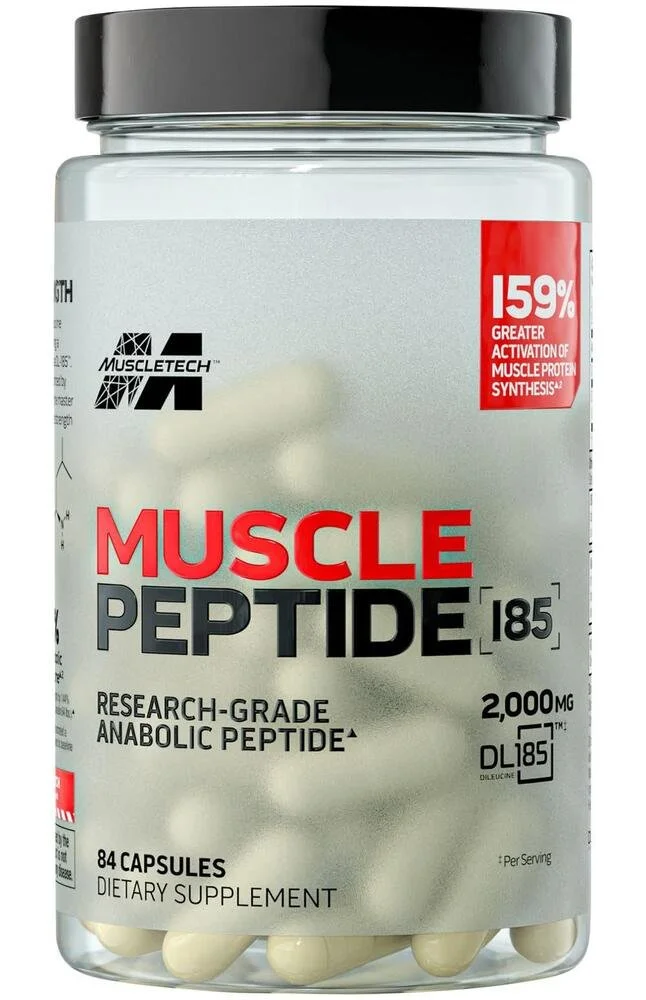
Muscle Peptide 185 For Anabolic Strength
Introduction
Muscle Peptide 185 For Anabolic Strength is a research peptide that has gained attention within laboratory and scientific research environments focused on muscle physiology, protein synthesis pathways, recovery mechanisms, and anabolic signaling. Researchers investigate compounds such as Muscle Peptide 185 to better understand cellular responses related to muscle development, tissue regeneration, and performance-related biological processes.
As interest in peptide-based research continues to expand, Muscle Peptide 185 has become a subject of investigation in studies examining muscle adaptation, recovery efficiency, and anabolic pathway regulation. High-quality research materials are essential for generating reliable and reproducible results, making purity, testing, and manufacturing standards critical considerations.
Product Information
| Specification | Details |
|---|---|
| Product Name | Muscle Peptide 185 |
| Category | Research Peptide |
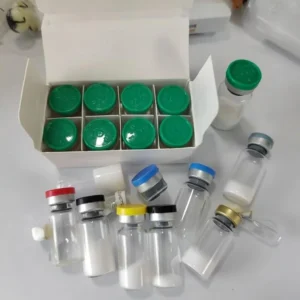
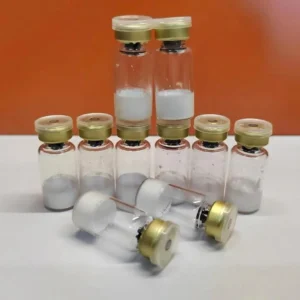
| Appearance | Lyophilized Powder |
| Intended Use | Laboratory Research Only |
| Storage | Refrigerated (2-8°C) |
| Purity | Typically ≥98% (HPLC Tested) |
| Manufacturing Standard | Research Grade |
| Solubility | Depending on laboratory protocol |
| Form | Freeze-Dried Peptide |
H3: Technical Details
| Parameter | Specification |
|---|---|
| Product Type | Synthetic Research Peptide |
| Molecular Structure | Proprietary Research Compound |
| Physical Form | Lyophilized Powder |
| Purity Level | ≥98% |
| Analytical Method | HPLC, Mass Spectrometry |
| Storage Temperature | 2-8°C |
| Stability | Maintains stability under recommended storage conditions |
| Intended Use | Scientific and Laboratory Research |
Research Overview
Muscle Peptide 185 is commonly explored in laboratory settings focused on:
- Muscle protein synthesis pathways
- Recovery and regeneration research
- Cellular growth signaling mechanisms
- Skeletal muscle adaptation studies
- Tissue repair investigations
- Strength-related biological pathways
- Performance physiology research
- Anabolic signaling research
Researchers continue evaluating peptide compounds to understand their potential effects on intracellular communication and tissue-specific responses.
Common Research Applications Include
1. Muscle Growth Research
Studies investigating anabolic signaling and muscle protein synthesis pathways often utilize peptide compounds to observe cellular responses.
2. Recovery Research
Laboratory models may evaluate how peptides interact with biological mechanisms associated with tissue repair and recovery.
3. Strength Adaptation Studies
Research involving muscular adaptation frequently examines signaling pathways related to force production and tissue remodeling.
4. Protein Synthesis Analysis
Peptides may be investigated for their influence on biological processes associated with protein metabolism and muscle maintenance.
5. Cellular Regeneration Research
Researchers may use peptide compounds when exploring regeneration-related biological mechanisms.
Chemical Structure
Muscle Peptide 185 is generally categorized as a synthetic peptide research compound composed of a specific amino acid sequence designed for scientific investigation.
Structural Classification:
- Synthetic Peptide
- Research Compound
- Laboratory Grade Material
Detailed molecular sequencing information may vary depending on the manufacturer and proprietary formulation.
Chemical Formula
Chemical Formula: Manufacturer-specific
Due to variations in proprietary peptide design and research formulations, the precise molecular formula should be confirmed through the latest Certificate of Analysis (COA) and manufacturer documentation.
CAS Number
CAS Number: Not publicly standardized or may vary depending on formulation.
Researchers should consult the manufacturer’s current documentation and Certificate of Analysis for the most accurate regulatory and identification information.
H3: Packaging Information
Typical packaging options may include:
| Package Size | Format |
|---|---|
| 5mg | Sterile Vial |
| 10mg | Sterile Vial |
| 20mg | Sterile Vial |
| 50mg | Research Vial |
| Custom Bulk Sizes | Available Upon Request |
Packaging generally includes:
- Sterile sealed vial
- Product label
- Batch identification number
- Manufacturing date
- Storage instructions
- Quality control references
H3: Purity, Testing & Quality Assurance
Quality control is among the most important aspects of peptide research products. http://google.com
Purity Standards
- Typically ≥98% purity
- Verified through High-Performance Liquid Chromatography (HPLC)
- Batch-specific testing procedures
Testing Methods
- HPLC Analysis
- Mass Spectrometry (MS)
- Identity Verification
- Purity Assessment
- Stability Evaluation
Quality Assurance Measures
- Controlled manufacturing environment
- Batch traceability
- Documentation review
- Analytical verification
- Research-grade production standards
These procedures help ensure consistency and reliability for scientific investigations.
Request the Current COA
Before purchasing or utilizing any research peptide, laboratories should request the most recent:
- Certificate of Analysis (COA)
- HPLC Chromatogram
- Mass Spectrometry Report
- Batch Testing Results
- Manufacturing Documentation
Obtaining the latest COA helps verify:
- Purity percentage
- Batch number
- Testing date
- Identity confirmation
- Analytical specifications
Storage Recommendations
For maximum stability:
- Store refrigerated at 2-8°C.
- Protect from direct sunlight.
- Avoid repeated freeze-thaw cycles.
- Keep sealed until use.
- Follow laboratory handling protocols.
Proper storage contributes to maintaining product integrity throughout research activities.
External Backlinks Suggestions
For educational and scientific reference purposes:
- https://pubmed.ncbi.nlm.nih.gov
- https://www.ncbi.nlm.nih.gov
- https://www.sciencedirect.com
- https://www.frontiersin.org
- https://www.nature.com
- https://www.mdpi.com
- https://www.cell.com
- https://www.who.int
- https://www.fda.gov
- https://www.ema.europa.eu
Why Researchers Choose High-Purity Peptides
Researchers often prioritize high-purity peptide materials because they offer:
- Improved experimental consistency
- Greater analytical reliability
- Reduced impurities
- Enhanced reproducibility
- Better batch-to-batch uniformity
These factors contribute significantly to the overall quality of scientific studies.
Conclusion
Muscle Peptide 185 For Anabolic Strength represents a specialized research peptide investigated for its potential role in muscle physiology, anabolic signaling, tissue recovery, and cellular adaptation studies. High-purity manufacturing, rigorous analytical testing, and comprehensive quality assurance procedures are essential components for laboratories seeking dependable research materials.
Researchers should always obtain the latest Certificate of Analysis, verify batch-specific testing data, and ensure proper storage and handling protocols before incorporating any peptide into scientific investigations.
Precautions
- For laboratory research use only.
- Not intended for human consumption.
- Not intended for diagnostic, therapeutic, or veterinary use.
- Keep out of reach of unauthorized personnel.
- Follow institutional safety protocols.
- Use appropriate laboratory protective equipment.
- Handle according to established research guidelines.
Disclaimer
This product is intended exclusively for scientific, educational, and laboratory research purposes. Any information provided is for research reference only and should not be interpreted as medical advice, treatment guidance, or claims regarding safety or efficacy in humans. Researchers are responsible for complying with all applicable regulations, institutional requirements, and laboratory safety procedures.


Reviews
There are no reviews yet.