
Description
PE-22-28 (8mg) Research Peptide
Product Overview
PE-22-28 (8mg) is a synthetic research peptide developed for scientific investigation and laboratory-based studies. This peptide has attracted interest within the research community due to its potential role in neurological and peptide signaling research. Researchers utilize PE-22-28 in controlled laboratory environments to better understand peptide interactions, receptor activity, and related biological mechanisms. http://google.com
PE-22-28 is supplied as a lyophilized powder and is intended strictly for laboratory research, analytical testing, and educational purposes by qualified professionals.
Product Information
| Specification | Details |
|---|---|
| Product Name | PE-22-28 |
| Strength | 8mg |
| Category | Research Peptide |
| Appearance | White Lyophilized Powder |
| Purity | ≥98% (HPLC Tested) |
| Storage | Store at -20°C or lower |
| Intended Use | Laboratory Research Only |
| Form | Lyophilized Powder |
| Manufacturing Standard | Research Grade |
H3: Technical Details
Product Specifications
- Name: PE-22-28
- Quantity: 8mg per vial
- Molecular Type: Synthetic Peptide
- Physical State: Lyophilized Powder
- Color: White to Off-White
- Solubility: Typically soluble in bacteriostatic water or suitable laboratory solvents
- Research Category: Neurological and peptide signaling studies
- Storage Temperature: Recommended frozen storage at -20°C
Chemical Structure
PE-22-28 is a synthetic peptide sequence engineered for research applications. As with many experimental peptides, researchers investigate its interactions with biological systems under controlled laboratory conditions.
Structural Characteristics:
- Synthetic peptide chain
- Laboratory-produced sequence
- Designed for receptor and signaling pathway studies
- Available as lyophilized powder for research handling
CAS Number
CAS Number: Not universally assigned or may vary depending on supplier registration status.
Researchers should verify current registration information through official chemical databases when required.
Chemical Formula
Chemical Formula: Sequence-specific peptide formula dependent upon the exact amino acid composition and synthesis specifications.
Researchers should request the latest analytical documentation and Certificate of Analysis (COA) for molecular weight and sequence confirmation.
H3: Packaging Information
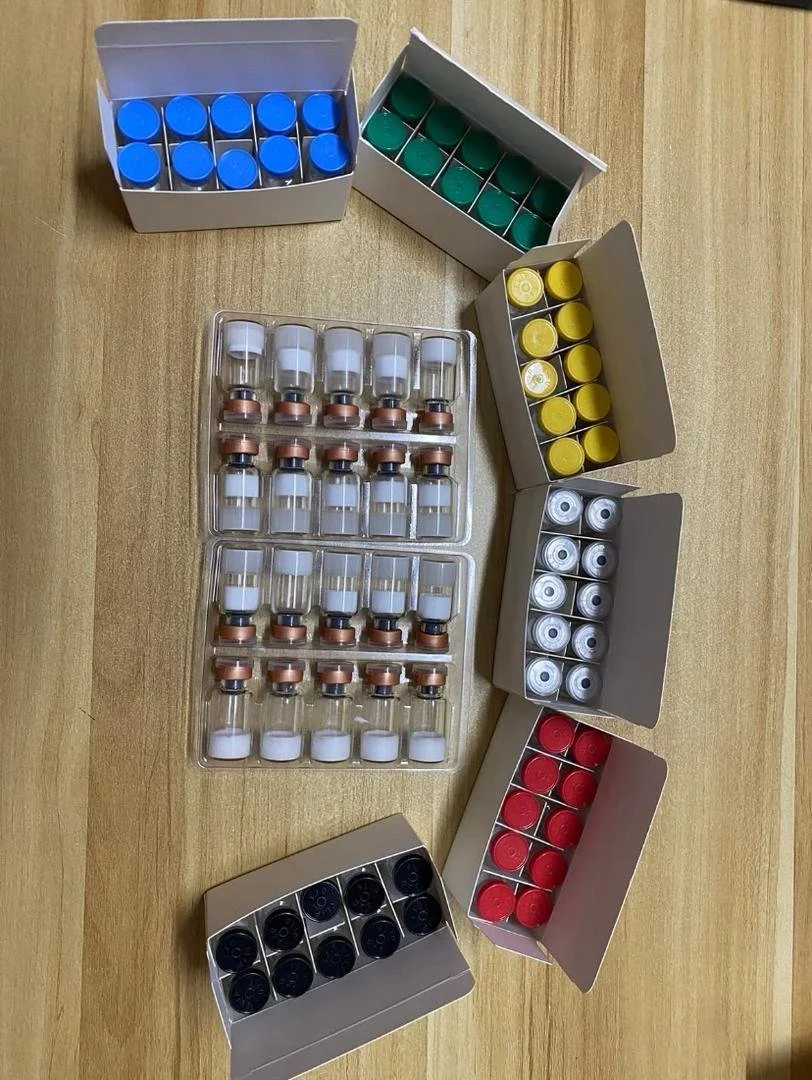
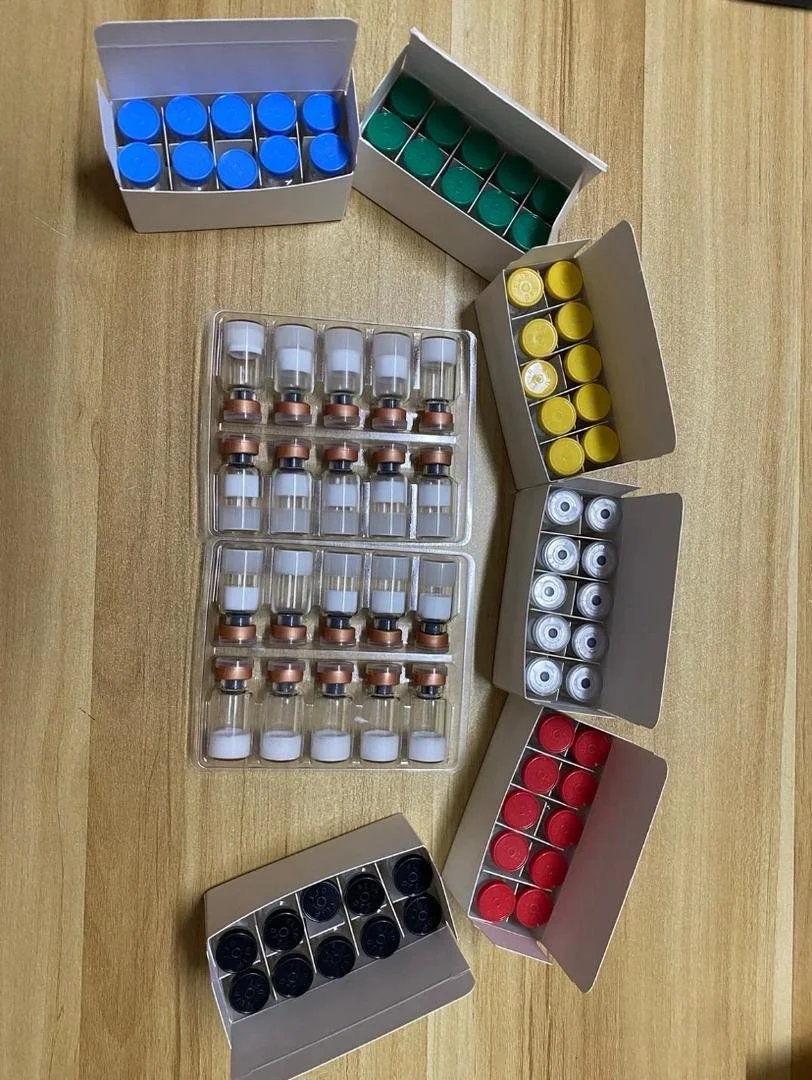
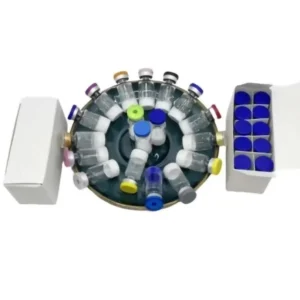
PE-22-28 (8mg) is commonly packaged to maintain maximum stability and product integrity.
Standard Packaging Includes:
- Sterile sealed research vial
- Protective crimp cap
- Clearly labeled batch number
- Product identification label
- Manufacturing date (where applicable)
- Storage recommendations
Shipping Protection
- Shock-resistant packaging
- Temperature-conscious handling
- Moisture-protected storage materials
- Laboratory-grade containment
Purity, Testing & Quality Assurance
Quality control is a critical component of peptide manufacturing.
Standard Testing Procedures
- High Performance Liquid Chromatography (HPLC)
- Mass Spectrometry (MS)
- Identity Verification
- Purity Confirmation
- Batch Consistency Analysis
- Visual Inspection
Quality Standards
- Purity: Typically ≥98%
- Research-grade manufacturing
- Batch traceability
- Controlled production environment
- Analytical verification prior to release
Request the Current COA
Researchers are encouraged to request the most recent:
- Certificate of Analysis (COA)
- HPLC Chromatogram
- Mass Spectrometry Report
- Batch Testing Documentation
- Product Verification Records
Obtaining the latest COA ensures access to current purity, identity, and analytical testing information for the specific production batch.
Common Research Applications Include
PE-22-28 has been explored in research areas such as:
- Neurobiology studies
- Peptide signaling investigations
- Receptor interaction research
- Cellular communication pathways
- Neurotransmitter-related studies
- Experimental peptide characterization
- Molecular biology research
- Laboratory peptide screening programs
Researchers continue investigating the biological properties and mechanisms associated with PE-22-28 in controlled laboratory settings.
Storage Recommendations
For optimal stability:
- Store at -20°C or below.
- Protect from direct light.
- Avoid repeated freeze-thaw cycles.
- Keep vial tightly sealed.
- Use proper laboratory handling procedures.
Handling Guidelines
Researchers should:
- Wear appropriate PPE.
- Use sterile laboratory equipment.
- Follow institutional safety protocols.
- Maintain accurate documentation.
- Store according to manufacturer recommendations.
Research Advantages
PE-22-28 is valued by researchers due to:
- High purity standards
- Reliable batch consistency
- Suitable for analytical investigations
- Stable lyophilized presentation
- Research-focused manufacturing controls
where to buy PE-22-28 (8mg)? http://zhangpeptides.com
External Backlinks Suggestions
Consider linking to authoritative scientific resources:
- https://pubchem.ncbi.nlm.nih.gov
- https://www.ncbi.nlm.nih.gov
- https://www.sciencedirect.com
- https://www.frontiersin.org
- https://www.nature.com
- https://www.cell.com
- https://www.sigmaaldrich.com
- https://www.who.int
- https://www.ema.europa.eu
- https://www.fda.gov
Precautions
- For laboratory research use only.
- Not intended for human consumption.
- Not intended for diagnostic purposes.
- Not intended for veterinary applications.
- Keep out of reach of unauthorized personnel.
- Handle using appropriate laboratory safety procedures.
- Follow all applicable local regulations and institutional guidelines.
Disclaimer
PE-22-28 (8mg) is sold exclusively for scientific research, laboratory experimentation, and educational purposes. This product is not a drug, food, cosmetic, or medical device. It has not been approved by regulatory agencies for the diagnosis, treatment, cure, or prevention of any disease. Any use outside legitimate research environments is strictly prohibited.
Conclusion
PE-22-28 (8mg) is a specialized research peptide designed for scientific investigation and laboratory analysis. With high-purity manufacturing, rigorous quality assurance testing, and reliable packaging standards, it serves as a valuable tool for qualified researchers exploring peptide biology, signaling mechanisms, and related experimental applications. Researchers should always request the latest COA and analytical reports to verify batch-specific specifications before beginning any study.
Reviews
There are no reviews yet.