

Description
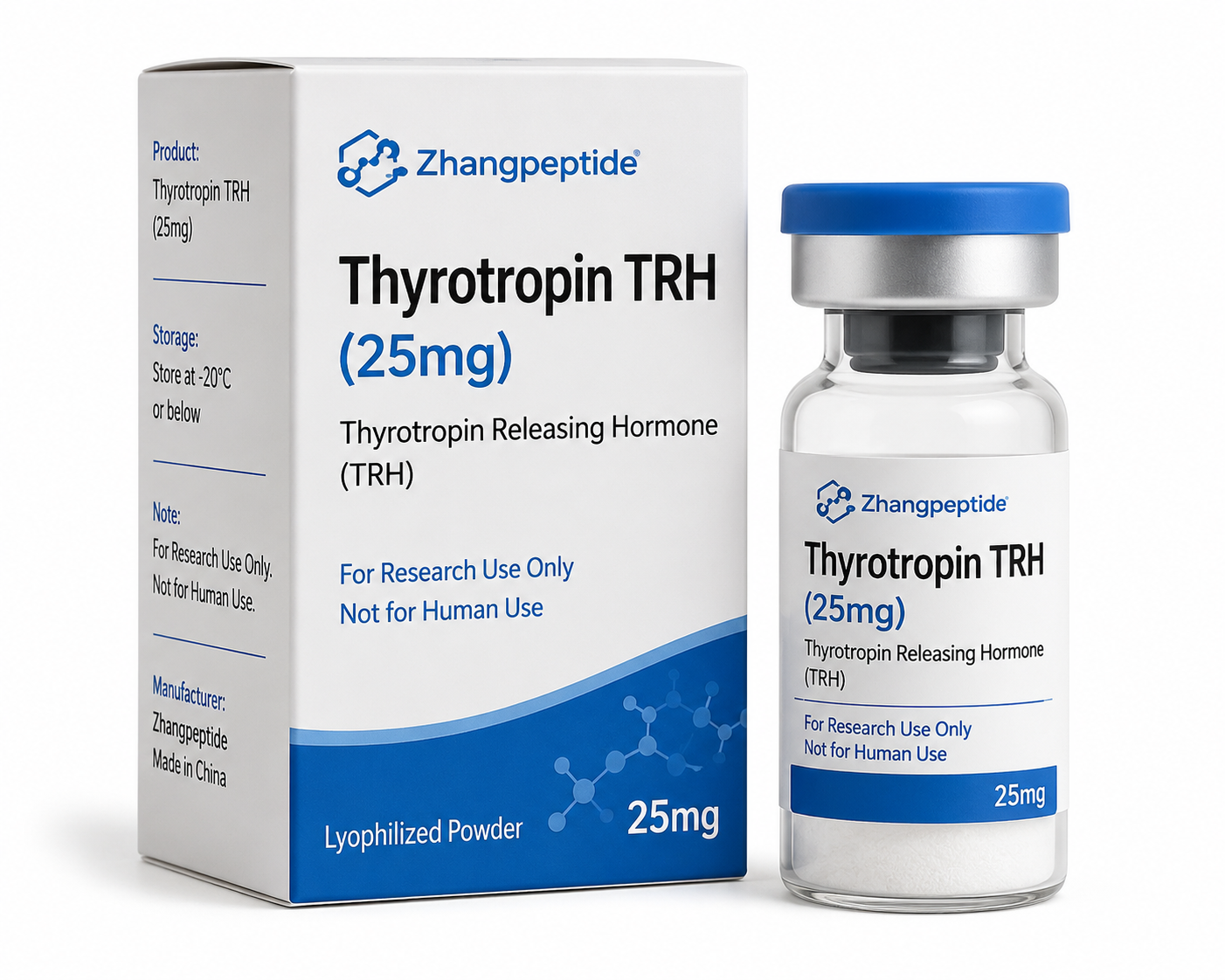
Thyrotropin TRH 25mg
Introduction
Thyrotropin-Releasing Hormone (TRH) is one of the most extensively studied neuropeptides in endocrinology and neuroscience. Originally identified as a hypothalamic hormone responsible for regulating thyroid-stimulating hormone (TSH) secretion, TRH has since been recognized for its broader role in neuroendocrine signaling, neurotransmission, and physiological regulation. http://google.com
Thyrotropin TRH (25mg) is a highly purified synthetic version of the naturally occurring tripeptide hormone. It is commonly utilized in laboratory and research settings to investigate endocrine pathways, thyroid regulation, neurochemical activity, and hypothalamic-pituitary-thyroid axis function.
Researchers value TRH because of its ability to influence multiple biological systems, making it a useful tool in studies related to metabolism, cognition, hormonal signaling, and central nervous system function.
What is Thyrotropin-Releasing Hormone (TRH)?
TRH is a naturally occurring tripeptide produced primarily within the hypothalamus. It serves as a releasing hormone that stimulates the anterior pituitary gland to release:
- Thyroid-Stimulating Hormone (TSH)
- Prolactin
The hormone acts as a key regulator within the hypothalamic-pituitary-thyroid (HPT) axis, helping maintain normal thyroid function and metabolic balance.
Because of its central role in endocrine regulation, TRH has become a valuable molecule for scientific research involving hormone interactions and neurological pathways.
Product Information
Product Name
Thyrotropin TRH (25mg)
Alternative Names
- Thyrotropin-Releasing Hormone
- TRH
- Protirelin
- Thyroliberin
Quantity
25mg per vial
Purity
≥98% (HPLC Tested)
Appearance
White lyophilized powder
Sequence
pGlu-His-Pro-NH₂
Molecular Weight
362.38 g/mol
Storage
Store at -20°C in a dry environment away from direct sunlight.
Intended Use
For laboratory and scientific research purposes only.
CAS Number
CAS Number: 24305-27-9
Chemical Formula
Molecular Formula: C₁₆H₂₂N₆O₄
Chemical Structure
Peptide Sequence
pGlu-His-Pro-NH₂
This tripeptide consists of:
- Pyroglutamic Acid (pGlu)
- Histidine (His)
- Proline Amide (Pro-NH₂)
The structure contributes to TRH’s biological stability and receptor-binding properties.
Structural Characteristics
- Tripeptide hormone
- Amidated C-terminus
- Highly conserved neuroendocrine signaling molecule
- Water-soluble peptide compound
Mechanism of Action
TRH functions by binding to TRH receptors located on pituitary thyrotroph cells. Upon receptor activation, intracellular signaling pathways stimulate the release of thyroid-stimulating hormone.
The sequence of activity generally involves:
- Hypothalamic release of TRH
- Activation of pituitary TRH receptors
- TSH secretion
- Thyroid hormone production
- Regulation of metabolism and energy utilization
Researchers frequently utilize synthetic TRH to examine these physiological processes under controlled laboratory conditions.
Research Applications of Thyrotropin TRH
1. Endocrine Research
TRH is widely used to investigate:
- Thyroid hormone regulation
- Pituitary gland activity
- Hormonal feedback mechanisms
- HPT axis physiology
These studies contribute to a better understanding of endocrine signaling networks.
2. Neuroendocrine Studies
TRH is present throughout the central nervous system and may influence:
- Neurotransmitter activity
- Neuronal signaling
- Neuroendocrine communication
- Brain-pituitary interactions
As a result, researchers often employ TRH in neurological investigations.
3. Thyroid Function Research
Synthetic TRH has historically been used in research involving:
- TSH responsiveness
- Thyroid gland function
- Hormonal stimulation pathways
- Endocrine diagnostics
These applications have enhanced understanding of thyroid physiology.
4. Metabolic Regulation Studies
Because thyroid hormones significantly influence metabolism, TRH research may contribute to studies involving:
- Energy expenditure
- Metabolic adaptation
- Hormonal balance
- Thermoregulation
where to buy Thyrotropin TRH 25mg? http://zhangpeptides.com
5. Neuroscience Research
Researchers continue to investigate TRH’s potential role in:
- Cognitive processes
- Synaptic communication
- Neurotransmitter release
- Central nervous system regulation
Such studies help clarify TRH’s broader biological significance beyond thyroid control.
Benefits of Thyrotropin TRH in Research
Researchers value Thyrotropin TRH because it offers:
High Biological Relevance
TRH is a naturally occurring hormone involved in essential physiological functions.
Well-Characterized Mechanism
Its receptor pathways and endocrine actions have been extensively studied.
Versatile Research Applications
Suitable for endocrine, metabolic, neurological, and neuroendocrine investigations.
Stable Synthetic Formulation
Lyophilized preparations provide long-term laboratory usability when properly stored.
Reproducible Experimental Results
High-purity TRH preparations help support consistent scientific outcomes.
Potential Areas of Scientific Interest
Current and emerging research areas include:
- Hypothalamic-pituitary-thyroid axis function
- Neurotransmitter regulation
- Hormonal feedback systems
- Endocrine signaling pathways
- Metabolic control mechanisms
- Neuroendocrinology
- Peptide receptor biology
Handling and Storage
To maintain peptide stability:
- Store at -20°C or colder.
- Protect from moisture.
- Avoid repeated freeze-thaw cycles.
- Use sterile laboratory procedures.
- Keep containers tightly sealed when not in use.
Proper storage helps preserve purity and biological activity.
Precautions
Research Use Only
This product is intended exclusively for scientific and laboratory research.
Not for Human Consumption
Thyrotropin TRH (25mg) is not approved for human use, therapeutic use, or veterinary applications unless specifically authorized by relevant regulatory agencies.
Laboratory Safety
Researchers should:
- Wear appropriate protective equipment.
- Use sterile handling techniques.
- Follow institutional laboratory guidelines.
- Prevent contamination during preparation and storage.
Storage Safety
Improper storage may reduce peptide stability and compromise experimental results.
Quality Assurance
High-quality Thyrotropin TRH products are generally characterized by:
- ≥98% purity by HPLC
- Mass spectrometry verification
- Sterile lyophilization process
- Batch quality testing
- Research-grade manufacturing standards
Why Researchers Choose Thyrotropin TRH (25mg)
Thyrotropin-Releasing Hormone remains one of the most important neuroendocrine peptides studied today. Its influence on thyroid regulation, pituitary signaling, and neurological function makes it an indispensable research tool.
The availability of high-purity Thyrotropin TRH (25mg) allows laboratories to conduct detailed investigations into endocrine physiology, metabolic regulation, and neurochemical signaling pathways. As peptide science continues to advance, TRH remains a cornerstone compound for understanding hormone-mediated biological processes.
Conclusion
Thyrotropin TRH (25mg) is a research-grade synthetic peptide modeled after the naturally occurring Thyrotropin-Releasing Hormone. With a molecular formula of C₁₆H₂₂N₆O₄, CAS Number 24305-27-9, and sequence pGlu-His-Pro-NH₂, TRH plays a crucial role in neuroendocrine and thyroid-related research.
Its extensive history in endocrine science, combined with ongoing interest in neurological and metabolic pathways, makes Thyrotropin TRH a valuable peptide for scientific investigation. Researchers seeking a well-characterized and biologically significant hormone peptide continue to utilize TRH in a broad range of laboratory applications.
Disclaimer
Thyrotropin TRH (25mg) is supplied strictly for laboratory research and educational purposes only. This product is not intended for human consumption, medical treatment, diagnosis, prevention, or cure of any disease. All users are responsible for complying with applicable laws, regulations, and institutional guidelines regarding the handling and use of research chemicals and peptides.



Reviews
There are no reviews yet.