
Description
Triptorelin (2mg) – Benefits, Mechanism, Dosage & Research Guide
What is Triptorelin (2mg)?
Triptorelin (2mg) is a synthetic decapeptide belonging to the Gonadotropin-Releasing Hormone (GnRH) agonist class. It is structurally related to natural GnRH but contains modifications that significantly increase its biological activity and duration of action.
Researchers have extensively studied Triptorelin due to its ability to regulate reproductive hormone production through interaction with GnRH receptors located in the pituitary gland. Following continuous administration, Triptorelin suppresses the secretion of luteinizing hormone (LH) and follicle-stimulating hormone (FSH), resulting in reduced sex hormone production.
Because of its potent endocrine effects, Triptorelin remains one of the most widely researched GnRH agonist peptides in both clinical and laboratory settings. http://google.com
Triptorelin 2mg Product Information
Specification Details
Product Name Triptorelin
Strength 2mg
Peptide Type Synthetic GnRH Agonist
Appearance White Lyophilized Powder
Purity Typically ≥98%
Molecular Formula C64H82N18O13
Molecular Weight 1311.45 g/mol
CAS Number 57773-63-4
Sequence Pyr-His-Trp-Ser-Tyr-D-Trp-Leu-Arg-Pro-Gly-NH2
Storage Refrigerated at 2°C–8°C
Category Research Peptide
Administration Research Use Only
Triptorelin CAS Number
CAS Number: 57773-63-4
The CAS Registry Number serves as a unique identifier for Triptorelin in scientific literature, laboratory databases, and research publications.
Triptorelin Chemical Formula
Molecular Formula:
C64H82N18O13
This molecular composition contributes to the peptide’s stability and high receptor affinity compared with endogenous GnRH.
Triptorelin Chemical Structure
Amino Acid Sequence
Pyr-His-Trp-Ser-Tyr-D-Trp-Leu-Arg-Pro-Gly-NH2
Structural Characteristics
Synthetic decapeptide
Modified GnRH analogue
Enhanced receptor binding affinity
Increased biological half-life
High endocrine activity
The substitution of D-Tryptophan at position 6 significantly enhances potency compared to natural GnRH.
Mechanism of Action
Triptorelin functions by binding to GnRH receptors in the anterior pituitary gland.
Initial Phase
During the early stage of exposure:
Increased LH secretion
Increased FSH secretion
Temporary elevation of sex hormones
Long-Term Phase
With continuous receptor stimulation:
GnRH receptor desensitization
Reduced LH production
Reduced FSH production
Suppression of testosterone and estrogen synthesis
This biphasic mechanism makes Triptorelin a valuable compound for endocrine and reproductive research.
Potential Research Applications of Triptorelin
1. Endocrine Research
Triptorelin is frequently studied for its influence on hormonal regulation pathways.
Researchers investigate:
Pituitary gland function
Hormonal feedback systems
Reproductive endocrinology
Gonadal suppression mechanisms
2. Reproductive Health Research
Studies have explored Triptorelin’s effects on:
Fertility regulation
Gonadal hormone suppression
Reproductive hormone signaling
Hypothalamic-pituitary-gonadal axis activity
3. Hormone-Dependent Disease Research
Triptorelin has been investigated in relation to conditions influenced by sex hormones.
Research areas include:
Prostate-related disorders
Estrogen-dependent conditions
Hormonal regulation studies
Receptor desensitization mechanisms
4. Oncology Research
Because many tumors depend on hormonal stimulation, Triptorelin has attracted attention in cancer-related hormone suppression research.
Researchers continue to study:
Hormone-sensitive cancers
Tumor growth regulation
Endocrine intervention models
Benefits of Triptorelin in Research
Potent GnRH Agonist
Triptorelin demonstrates strong affinity for GnRH receptors, making it highly effective in hormone regulation studies.
Extended Duration
Structural modifications provide greater stability than endogenous GnRH.
Reliable Hormonal Suppression
Continuous administration produces predictable endocrine suppression.
Well-Documented Compound
Decades of research have generated extensive data regarding safety, efficacy, and pharmacological activity.
High Purity Availability
Modern peptide synthesis techniques allow production of highly purified Triptorelin suitable for laboratory applications.
Storage and Handling
To preserve peptide stability:
Unreconstituted Peptide
Store at 2°C–8°C
Protect from moisture
Keep away from direct sunlight
Reconstituted Peptide
Refrigerate immediately
Avoid repeated freeze-thaw cycles
Use sterile laboratory procedures
Proper storage helps maintain peptide integrity and biological activity.
Precautions
Researchers should observe the following precautions when handling Triptorelin:
For research purposes only.
Not intended for human consumption outside approved medical use.
Use appropriate laboratory protective equipment.
Avoid contamination during reconstitution.
Store according to manufacturer recommendations.
Keep out of reach of unauthorized personnel.
Verify peptide identity and purity before experimentation.
Triptorelin vs Natural GnRH
Feature Natural GnRH Triptorelin
Stability Low High
Half-Life Very Short Extended
Receptor Affinity Moderate Strong
Potency Standard Increased
Research Utility Limited Extensive
These advantages explain why Triptorelin is commonly selected for advanced endocrine studies.
Why Researchers Choose Triptorelin 2mg
The 2mg format offers several practical advantages:
Easy storage
Convenient dosing flexibility
Reduced waste
Suitable for small-scale research
High stability in lyophilized form
Its established scientific profile continues to make Triptorelin one of the most important GnRH analogues available for peptide research.
Frequently Asked Questions
What is Triptorelin?
Triptorelin is a synthetic GnRH agonist peptide used primarily in endocrine and reproductive hormone research.
What is the molecular formula of Triptorelin?
The molecular formula is:
C64H82N18O13
What is the CAS number of Triptorelin?
57773-63-4
How does Triptorelin work?
Triptorelin initially stimulates and then suppresses the release of LH and FSH through continuous activation of pituitary GnRH receptors.
What does Triptorelin 2mg look like?
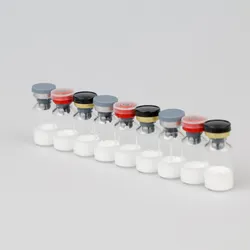
It is generally supplied as a white lyophilized powder in a sterile research vial.
How should Triptorelin be stored?
Store refrigerated at 2°C–8°C and protect from heat, light, and moisture.
Conclusion
Triptorelin (2mg) is a highly potent synthetic GnRH agonist peptide recognized for its ability to regulate reproductive hormone pathways. With its enhanced receptor affinity, extended biological activity, and extensive scientific documentation, Triptorelin remains an important compound in endocrine, reproductive, and hormone-regulation research. Its molecular formula (C64H82N18O13), CAS number (57773-63-4), and well-characterized mechanism of action make it a valuable addition to peptide research programs worldwide. Where to buy Triptorelin (2mg)? http://zhangpeptides.com
Disclaimer
This article is provided strictly for educational and informational purposes. Triptorelin (2mg) is a regulated compound in many jurisdictions and should only be used in accordance with applicable laws, regulations, and approved medical or research guidelines. Any references to research applications do not constitute medical advice, treatment recommendations, or instructions for human use. Always consult qualified professionals and follow local regulations before purchasing, handling, or studying peptide compounds.


Reviews
There are no reviews yet.