
Description
Vesugen (20mg) – Complete Guide, Benefits, Research, Structure & Product Information
What is Vesugen (20mg)?
Vesugen is a synthetic short peptide bioregulator composed of two amino acids that has been studied for its potential role in supporting vascular and endothelial function. Developed as part of peptide bioregulator research, Vesugen is believed to influence gene expression associated with blood vessel health and cellular regeneration. http://google.com
Researchers have explored Vesugen’s ability to help maintain normal endothelial activity, improve vascular resilience, and support healthy aging processes. Due to its targeted biological activity, Vesugen has gained attention among scientists investigating cardiovascular longevity and age-related vascular changes.
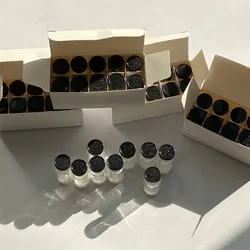
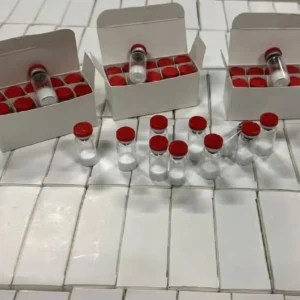
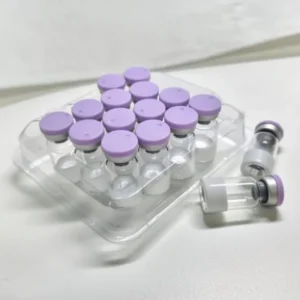
Vesugen (20mg) is commonly supplied as a lyophilized peptide powder intended exclusively for laboratory and scientific research applications.
Product Information
| Specification | Details |
|---|---|
| Product Name | Vesugen |
| Strength | 20mg |
| Peptide Type | Short Peptide Bioregulator |
| Sequence | Lys-Glu (KE) |
| Molecular Formula | C11H21N3O5 |
| Molecular Weight | 275.30 g/mol |
| Appearance | White Lyophilized Powder |
| Purity | ≥98% (HPLC) |
| Storage | 2°C to 8°C |
| Application | Research Use Only |
| Category | Vascular Bioregulator Peptide |
Chemical Structure
Peptide Sequence:
Lys-Glu (KE)
This dipeptide consists of:
- Lysine (Lys)
- Glutamic Acid (Glu)
The simple two-amino-acid structure enables Vesugen to act as a cellular signaling molecule involved in bioregulation research.
Chemical Formula
Molecular Formula: C11H21N3O5
Molecular Weight: 275.30 g/mol
CAS Number
CAS Number: 125268-99-1
Mechanism of Action
Vesugen belongs to the family of peptide bioregulators. Research suggests that short peptides may interact with cellular DNA and chromatin structures, potentially influencing gene expression involved in tissue maintenance and repair.
Scientists believe Vesugen may:
- Support endothelial cell function
- Promote vascular tissue regeneration
- Assist cellular communication pathways
- Help maintain healthy blood vessel integrity
- Support age-related vascular function
While the exact molecular mechanisms continue to be investigated, studies suggest that bioregulatory peptides may influence cellular homeostasis through epigenetic pathways.
Potential Benefits of Vesugen
1. Supports Vascular Health
One of the primary areas of Vesugen research involves vascular health. Scientists have explored its effects on endothelial cells, which line blood vessels and play an important role in circulation.
Potential research observations include:
- Enhanced vascular resilience
- Improved endothelial integrity
- Cellular maintenance support
2. Endothelial Function Research
The endothelium regulates:
- Blood flow
- Nutrient transport
- Inflammatory responses
- Vascular signaling
Research indicates Vesugen may help maintain healthy endothelial function under laboratory conditions. Where to buy vesugen 20mg? http://zhangpeptides.com
3. Healthy Aging Applications
Age-related vascular decline is a significant focus of longevity research.
Researchers investigate whether Vesugen may:
- Support cellular longevity
- Promote tissue maintenance
- Assist healthy aging processes
- Enhance vascular adaptability
4. Cellular Regeneration Studies
Some studies suggest peptide bioregulators may encourage:
- Cellular renewal
- Tissue repair mechanisms
- Normal protein synthesis
- Cellular communication
These properties make Vesugen an interesting candidate in regenerative medicine research.
5. Cardiovascular Research Potential
Researchers continue studying Vesugen for potential cardiovascular applications involving:
- Blood vessel maintenance
- Vascular elasticity
- Cellular repair pathways
- Endothelial performance
Additional studies are required to fully understand these mechanisms.
Vesugen and Peptide Bioregulators
Peptide bioregulators are short amino acid sequences designed to influence specific tissues and organs.
Vesugen specifically targets vascular tissues and belongs to a growing category of peptides studied for:
- Healthy aging
- Cardiovascular support
- Cellular repair
- Gene regulation
- Tissue-specific bioregulation
The KE peptide sequence is believed to have a unique affinity for vascular structures, making it one of the most researched vascular bioregulator peptides.
Research Areas
Current research involving Vesugen includes:
Vascular Aging
Studies evaluating age-related changes in blood vessels.
Endothelial Cell Function
Research focused on maintaining normal endothelial activity.
Longevity Science
Investigations into peptide-based approaches for healthy aging.
Regenerative Medicine
Exploration of cellular repair and tissue regeneration pathways.
Cardiovascular Health
Research on vascular resilience and blood vessel maintenance.
Storage Guidelines
To maintain peptide stability:
- Store at 2°C–8°C before reconstitution.
- Protect from heat and direct sunlight.
- Avoid repeated freeze-thaw cycles.
- Keep vials sealed when not in use.
- Store reconstituted solutions according to laboratory protocols.
Proper storage helps preserve peptide integrity and research consistency.
Quality Standards
Premium Vesugen (20mg) products typically undergo:
- HPLC purity testing
- Mass spectrometry verification
- Sterility testing
- Identity confirmation
- Batch quality control
Researchers should always request Certificates of Analysis (COAs) from suppliers.
Precautions
- Intended for research purposes only.
- Not approved for human consumption.
- Keep away from children.
- Handle using appropriate laboratory safety procedures.
- Use protective equipment when handling peptides.
- Follow local regulations regarding peptide research compounds.
- Store according to manufacturer recommendations.
Side Effects and Safety
Human safety data for Vesugen remains limited because it is primarily used in research settings.
Potential considerations include:
- Insufficient long-term human studies
- Limited clinical safety data
- Need for professional laboratory handling
Researchers should evaluate all available literature before conducting studies involving peptide compounds.
Vesugen vs Other Bioregulator Peptides
| Peptide | Primary Focus |
|---|---|
| Vesugen | Vascular Health |
| Vladonix | Immune Support |
| Pinealon | Brain Health |
| Endoluten | Endocrine Function |
| Cardiogen | Cardiac Tissue Support |
| Ventfort | Respiratory Support |
Each peptide is designed to target specific biological systems within peptide bioregulation research.
Why Researchers Are Interested in Vesugen
Growing interest in Vesugen is driven by:
- Aging population research
- Cardiovascular longevity studies
- Endothelial biology advancements
- Regenerative medicine developments
- Peptide bioregulator science
Its short amino acid sequence and targeted biological activity make it a unique subject in vascular health research.
Conclusion
Vesugen (20mg) is a short peptide bioregulator consisting of the amino acid sequence Lys-Glu (KE). Research has focused on its potential role in supporting vascular health, endothelial function, healthy aging, and cellular regeneration pathways. Although promising findings have emerged from peptide bioregulator studies, further scientific investigation is necessary to fully understand its mechanisms and potential applications.
Researchers interested in cardiovascular aging, endothelial biology, and peptide-based regenerative medicine continue to study Vesugen due to its targeted vascular activity and favorable research profile.
Disclaimer
This product is intended strictly for laboratory research and scientific investigation purposes only. Vesugen (20mg) is not approved by regulatory authorities for the diagnosis, treatment, cure, or prevention of any disease. It is not intended for human or veterinary use. All information presented is for educational and research purposes only. Researchers should comply with all applicable laws, regulations, and laboratory safety guidelines when handling peptide compounds.
Reviews
There are no reviews yet.